Shenzhen Innovation Center for Carbon Neutrality
The Shenzhen Joint Center for Carbon Neutrality Technology is a municipal-level research institution established in 2022 and operated by the Institute of Carbon Neutrality at the Institute of Advanced Technology, Chinese Academy of Sciences, under a commission from the Shenzhen Municipal Government.
he Center is dedicated to advancing China’s energy revolution through a comprehensive strategy spanning five key areas: renewable energy, energy storage, smart energy, carbon dioxide capture and utilization, and carbon-neutral economic and urban development.
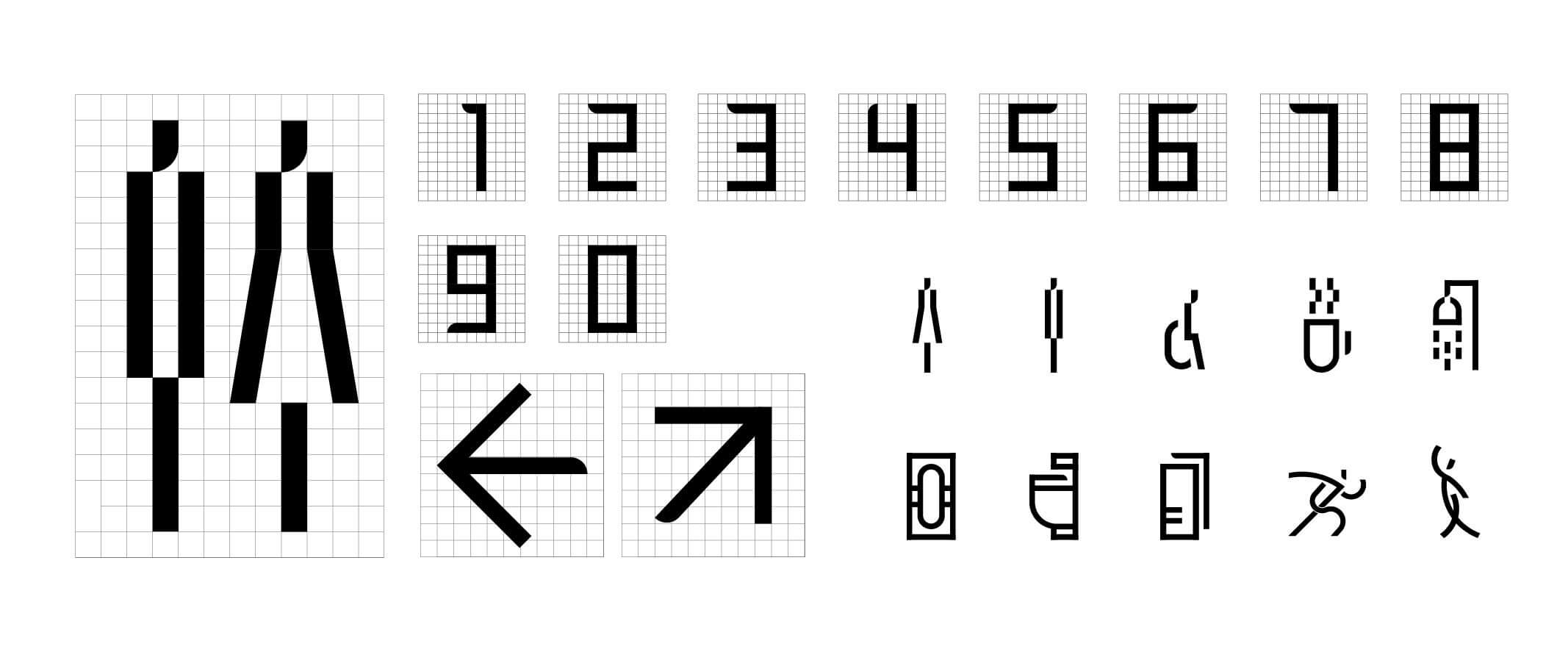
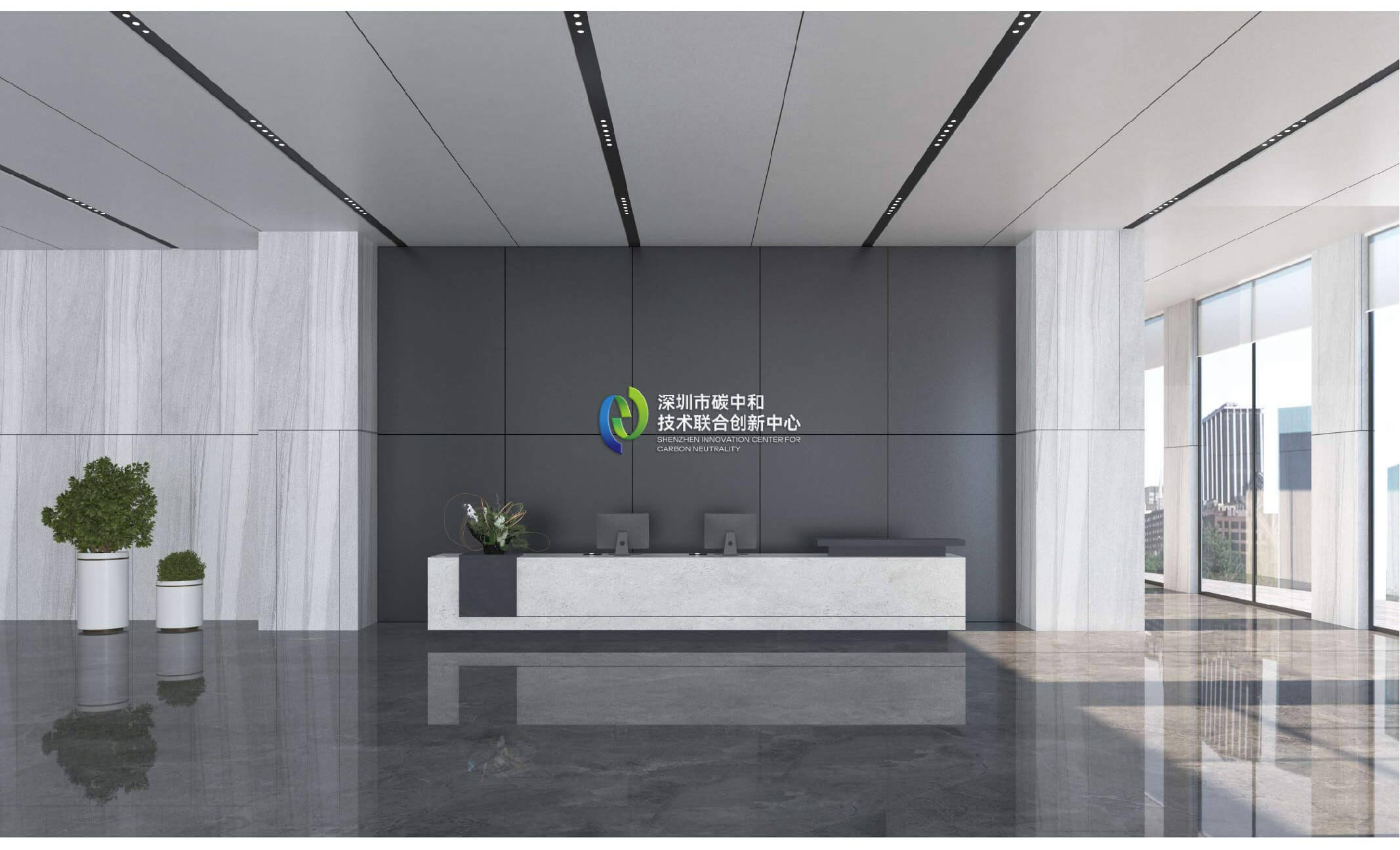
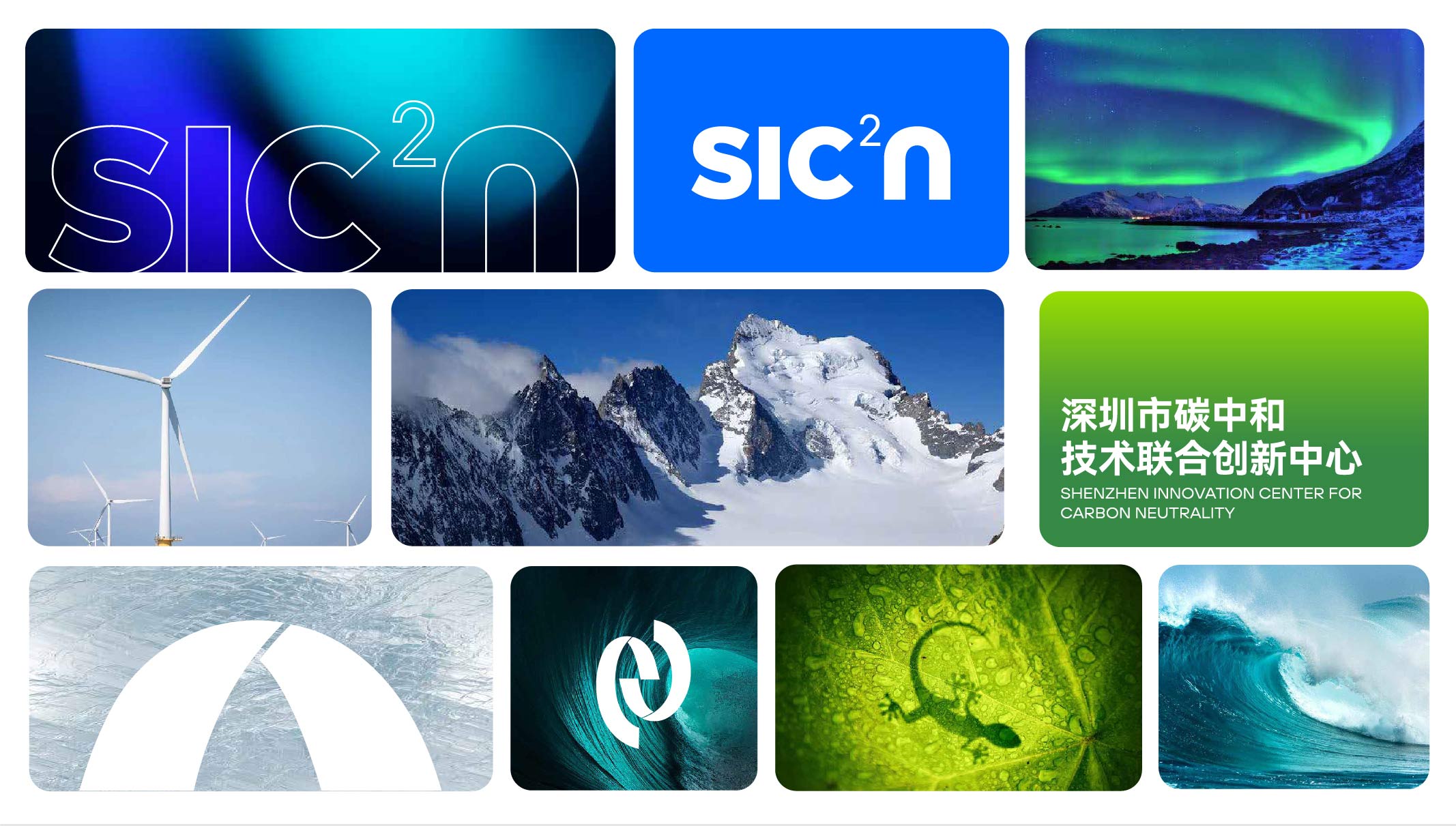
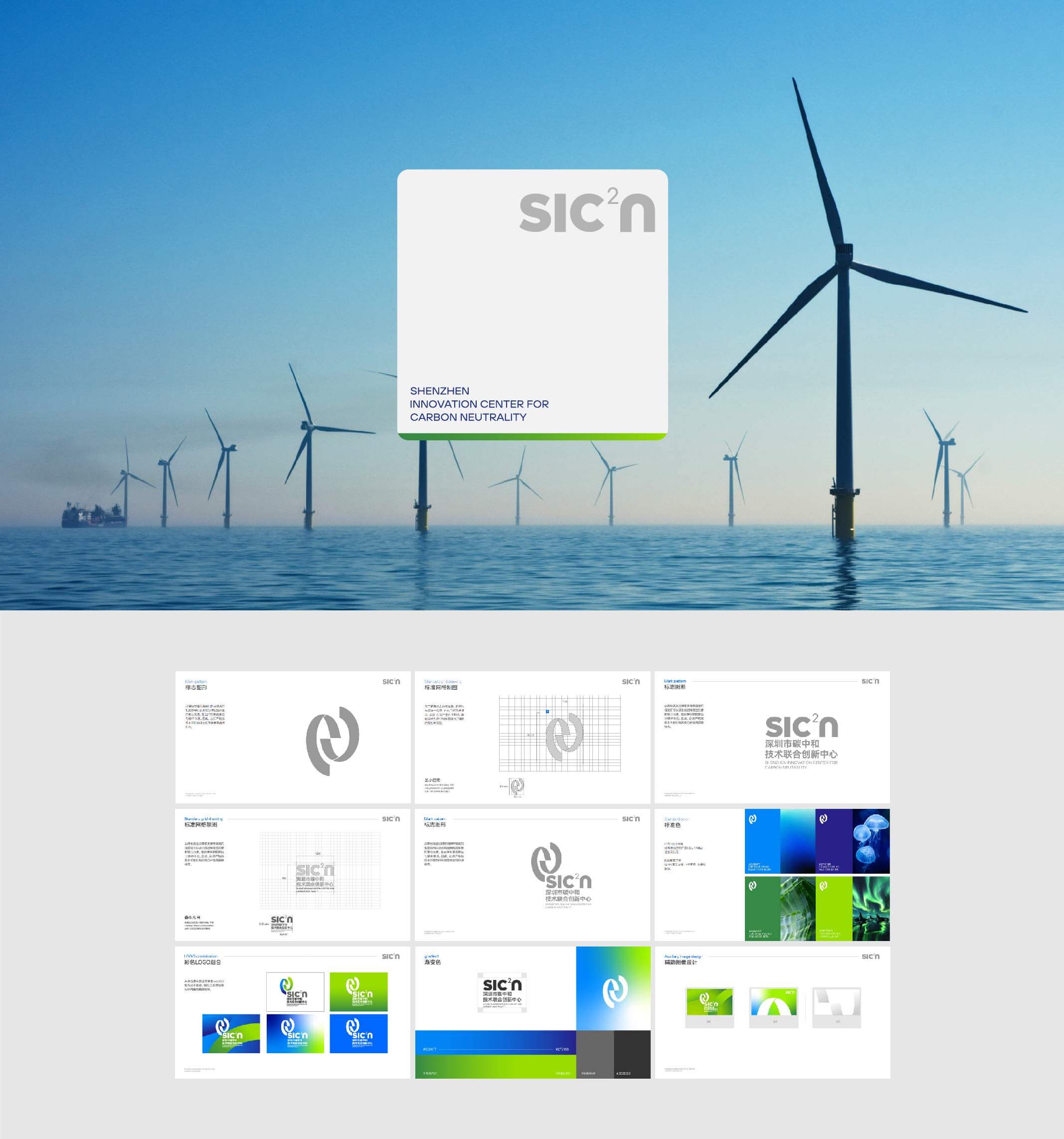
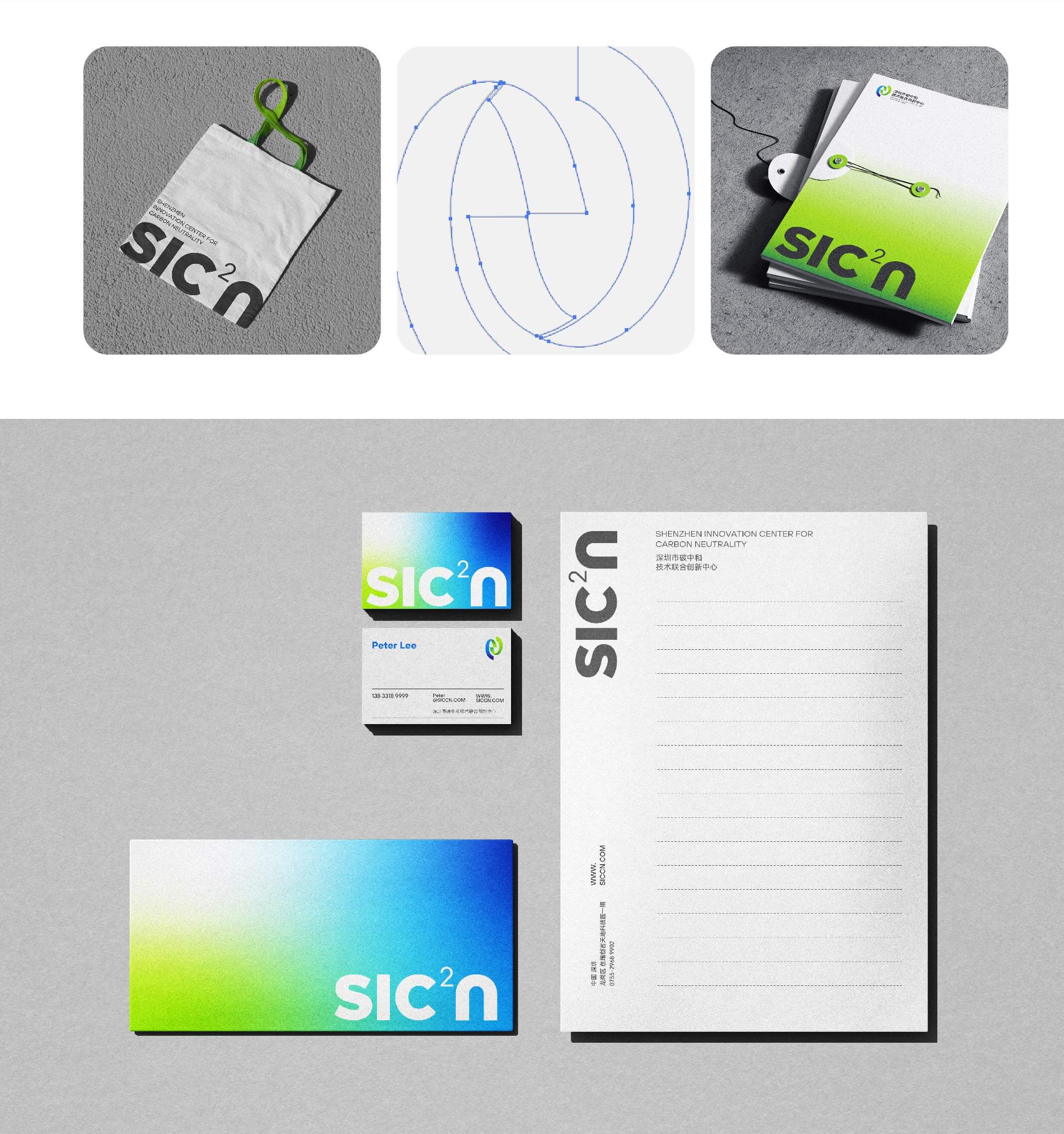
Our goal is to create a distinctive visual identity for the Joint Innovation Center for Carbon Neutrality Technologies that embodies its mission to restore environmental balance through carbon-negative energy.
The design philosophy centers on “carbon” (i.e., carbon dioxide) and “neutrality” (i.e., the balancing of positive and negative factors) to represent the concept of recycling.
Combining the English abbreviation for “carbon neutrality,” we drew design inspiration from the flow and storage of new energy.
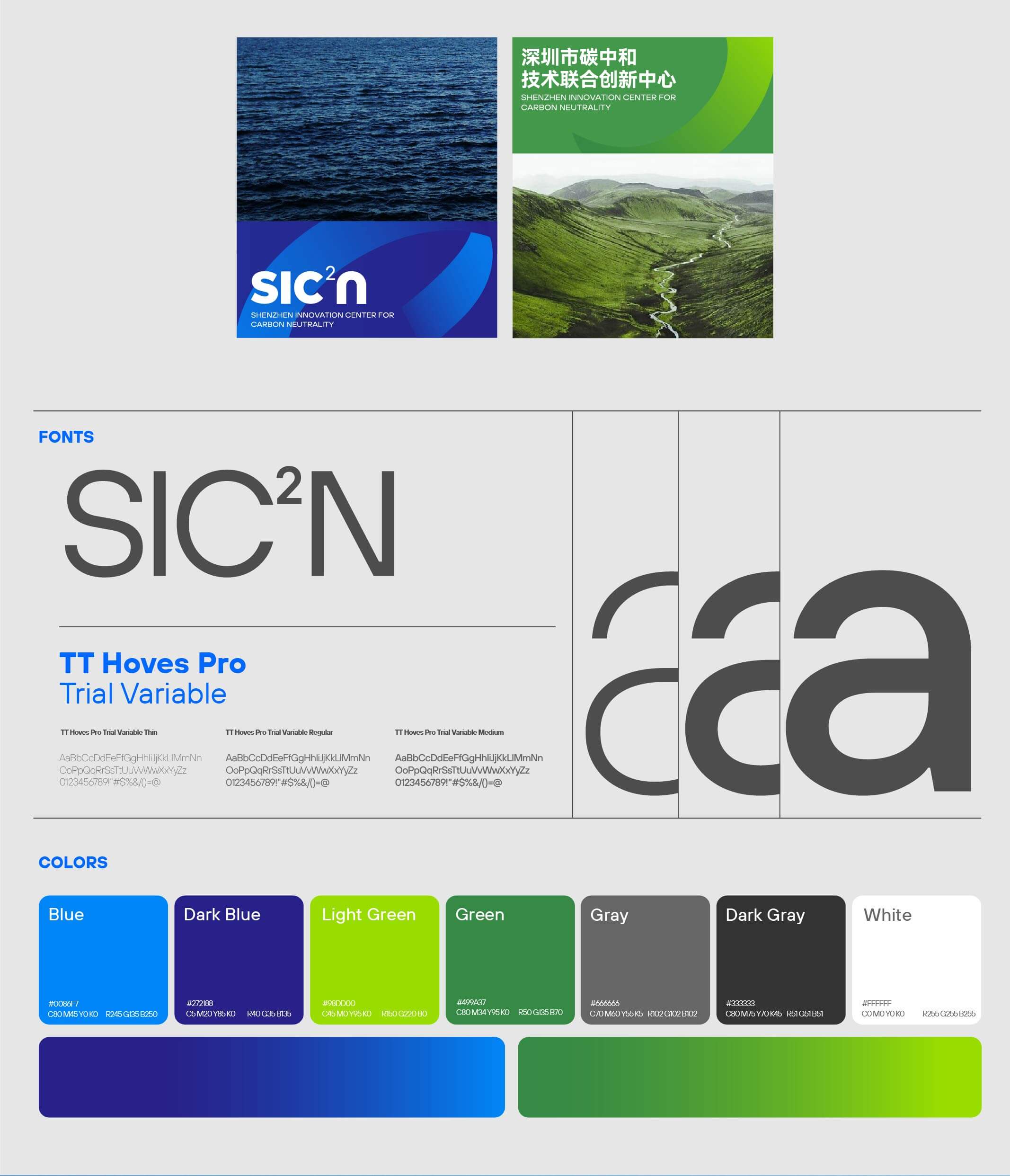
We refined the letter “C”—representing carbon—and combined it with the concept of sustainable development to create a visual symbol that is both modern and meaningful, with the concepts of circulation and flow running throughout the design philosophy. In terms of color, we used green and blue—symbolizing energy—to highlight the concept of perpetual renewal.

Highly Transparent Research Space
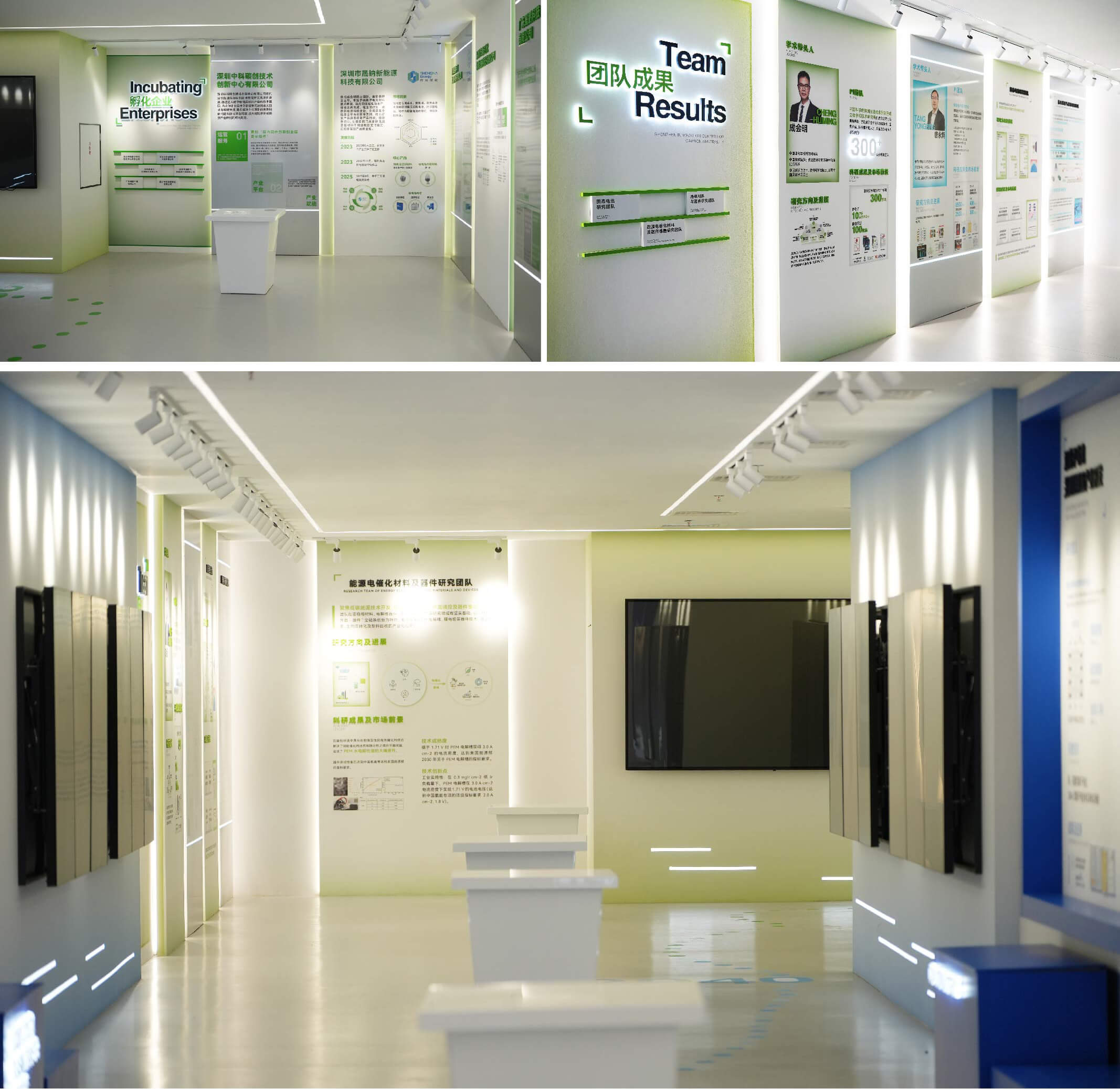
In the design of the office environment, the primary focus is on spatial experience and efficient circulation.
By breaking down spatial boundaries, a free-flowing office ecosystem connects people with one another and with the overall brand identity.
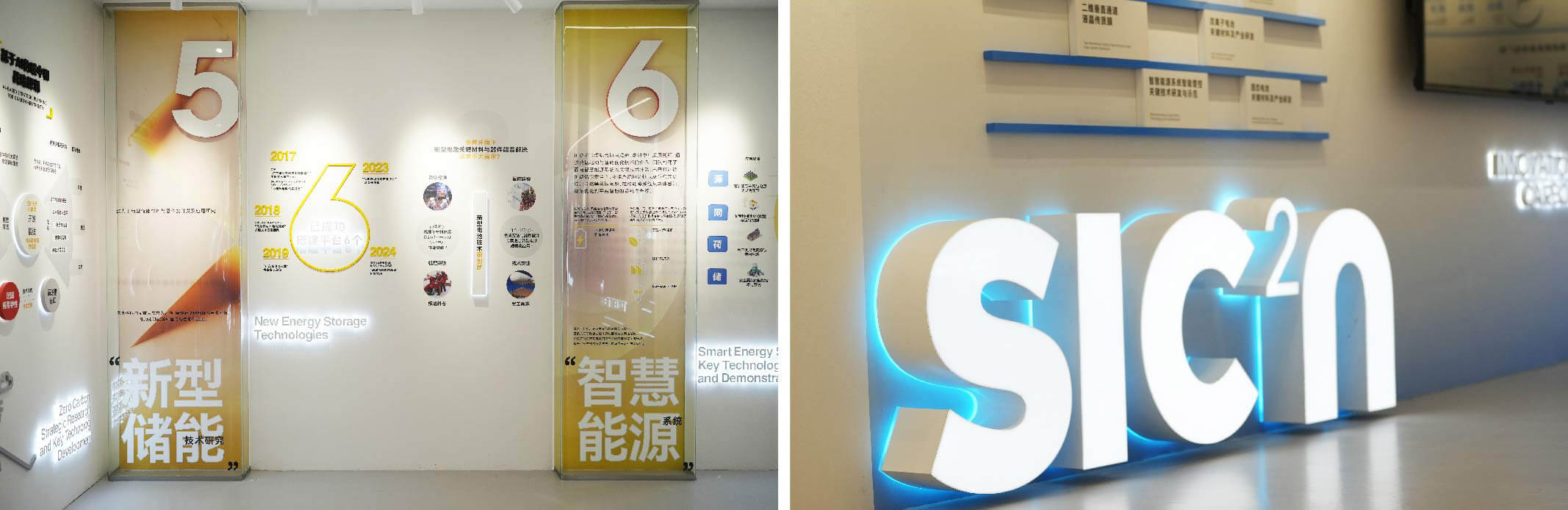
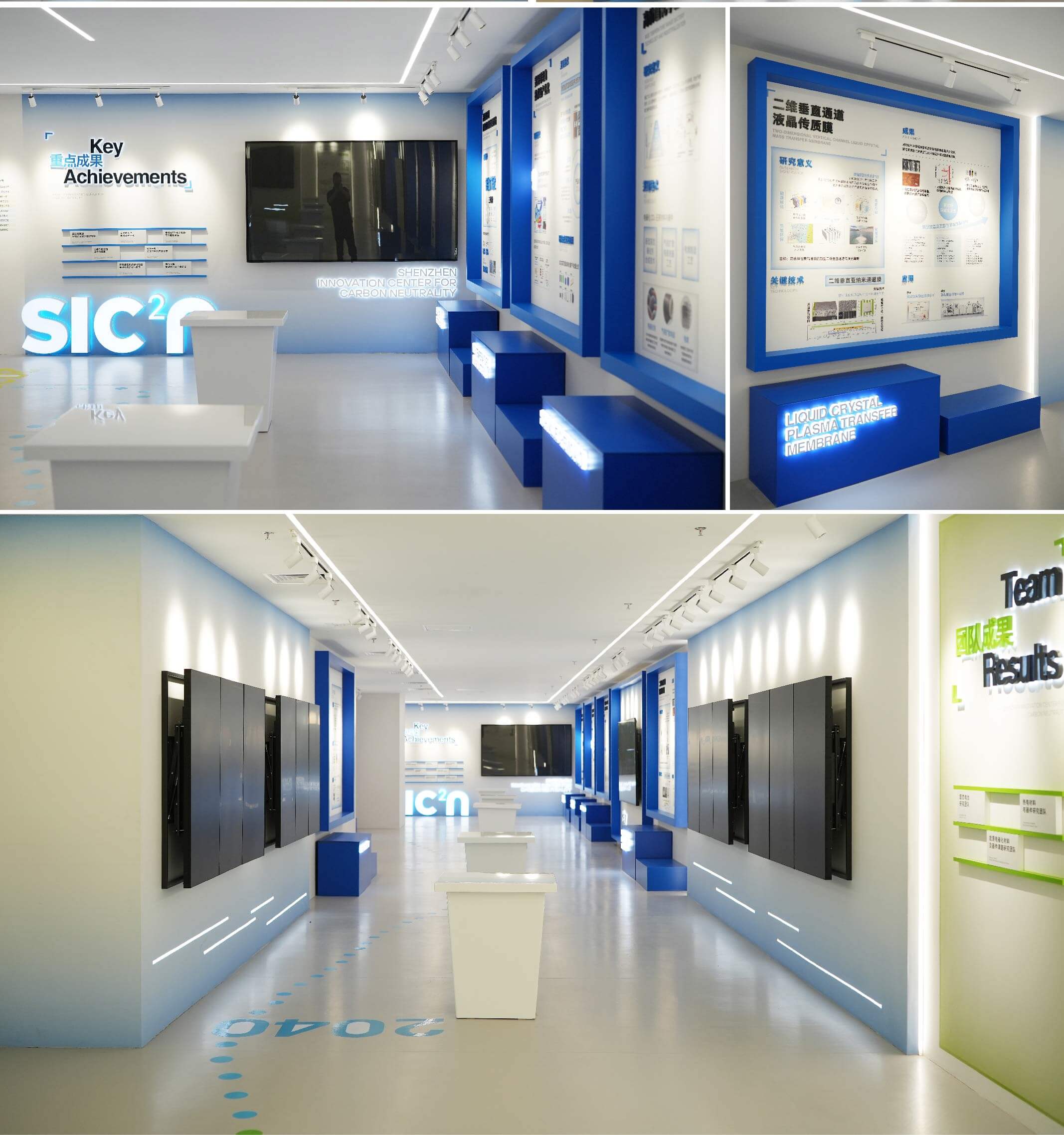
The overall exhibition space is centered around three key strategic milestones—2025, 2030, and 2060—as its core axis, fully recreating the full-cycle development path from carbon peaking to carbon neutrality.
In terms of spatial color storytelling, we innovatively adopted a gradient color system that transitions naturally from red to orange, then to blue and green, corresponding to the entire process of advancing the dual carbon goals.
The design addresses the traditional pain points of hard-core technology content being dry and obscure by deeply integrating cold scientific data, technical systems, and research achievements with visual representations such as charts and multimedia, as well as a chronological spatial narrative.